
Mammoth Basil
Latin name: Ocimum basilicum
🌱 Days to Sprout: 10-21
😋 Ready for Full Dose of plant food with true leaves or roots .5-inch long
✂️ Thin to: 1 plant per yCube
🍅 Days to Maturity: 55-65
💡 Light Zone: Medium
📏 Plant Size: <1 ft
💚 Care Level: Beginner
Origin
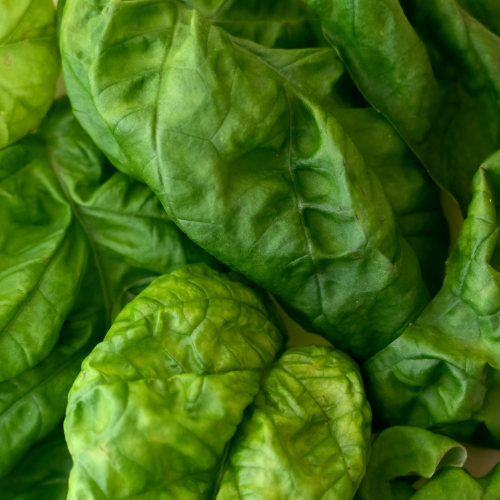
People in India were the first to domesticate basil, but Mammoth Basil is an heirloom variety with deep roots in Italy. While traditional basil traveled through Greece and Rome, this specific cultivar was developed in southern Europe for its oversized, ruffled foliage. Today, it is celebrated as a classic Italian “Lettuce Leaf” variety. Its name, “Mammoth,” highlights its impressive scale, producing leaves that can grow as large as a person’s hand.
Qualities
Mammoth Basil is prized for its massive, succulent leaves. Its sweet, aromatic flavor profile has made it a culinary favorite for generations. It is high in vitamin K, which supports healthy bones and blood, and vitamin A for vision and immune health. It’s packed with antioxidants that protect your cells against free radicals. Mammoth Basil also provides essential iron and has anti-inflammatory properties, making this giant herb as functional as it is flavorful.
Use
Mammoth Basil adds outstanding flavor to wraps, sandwiches, or pizzas. Its oversized, ruffled leaves are also delicious in pesto or chopped into fresh salads. Enjoy the giant leaves whole in a caprese salad or use them as wraps.
Care & Harvest
💡Temperature: Prefers warmer temperatures (70-85°F).
✂️ Pruning: Remove leaves with brown spots if they appear. Check the roots monthly and trim any that are brown or extending past the yPod. For bushier growth, regularly harvest at the stem above the growth nodes (see Harvest below). To delay bolting, pinch off flower buds as they appear.

Flower buds on Basil
🔎 Plant Health: Aphids are a common pest, but you can use our prevention and treatment tricks to keep pests at bay! Root rot and Downy Mildew are also common diseases best controlled by regular root checks and removing any leaves with brown spots as they appear.
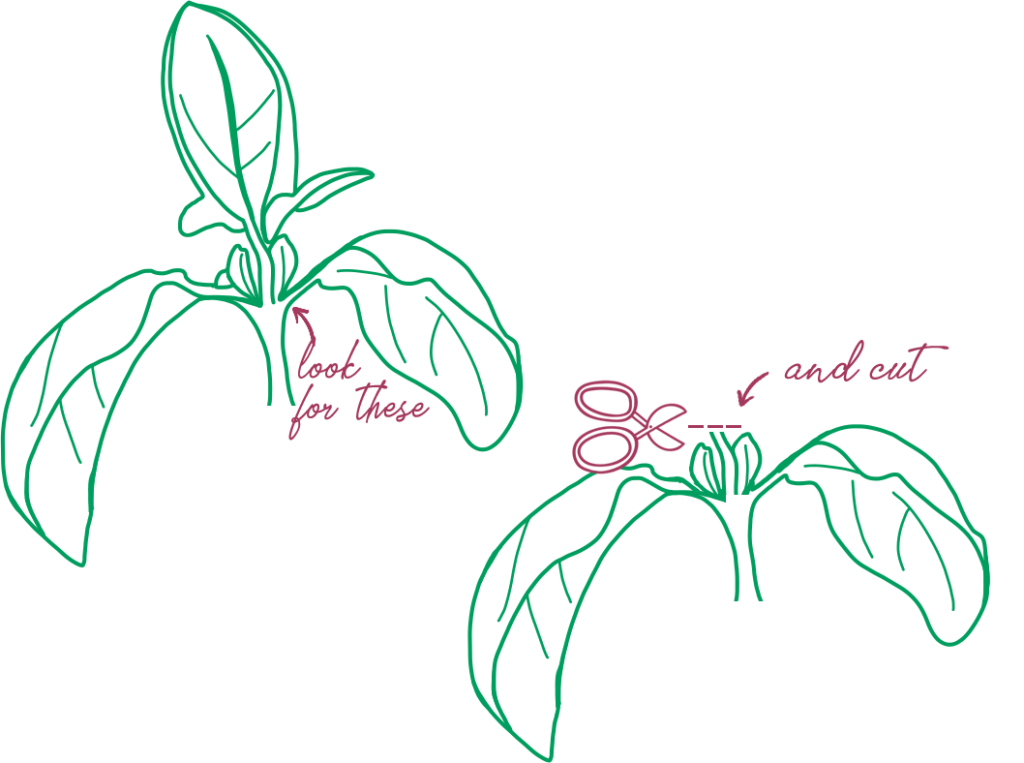
🌿 Harvest: Harvesting frequently helps prolong the plant's life. Pinch off individual leaves, or use clean shears to cut stems above growth nodes. Find growth nodes just above the two largest leaves on a stem. You should see another, small set of leaves or knobs (nodes) growing between the stem and larger set of leaves. Cut the stem 1/4-1/2″ above the nodes and watch the small leaves grow large!
Our Plant Health & Nutrition Team thoroughly tests each variety we offer to bring you the most flavorful and high-quality plants. We regularly rotate our plant portfolio, so please note, availability varies.